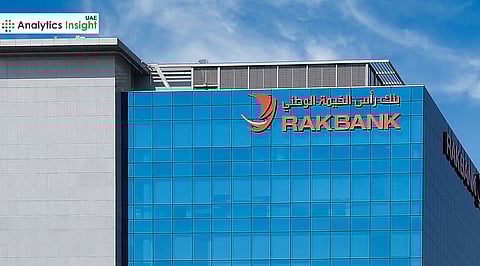


The UAE’s stablecoin landscape is heating up after RAKBank received approval from the Central Bank. It signals an intensifying competition in the country’s well-regulated digital currency ecosystem.
RAKBank secured in-principle approval from the Central Bank of the UAE (CBUAE) on Wednesday (January 8, 2026) to issue a dirham-pegged stablecoin. It marks a significant step in the country’s race to build a regulated digital currency ecosystem.
The approval clears the way for the bank to launch a fully backed AED token once it meets the remaining regulatory and operational requirements.
RAKBank said the planned stablecoin would be backed 1:1 by UAE dirham reserves held in segregated, regulated accounts. These reserves should support full redemption at par value and be audited regularly to ensure transparency.
The bank also noted that audited smart contracts and real-time reserve attestations will underpin the token’s design.
Raheel Ahmed, Group CEO of RAKBank, described the approval as an “important milestone” in the bank’s digital asset strategy. He highlighted the institution’s focus on “responsible innovation within the UAE’s evolving financial framework.”
UAE continues to cultivate a broad stablecoin landscape under the Payment Token Services Regulation introduced in 2024. That regulation laid out conditions for licensed issuers of payment tokens while prohibiting unlicensed stablecoins from mainstream use in goods and services.
RAKBank will enter a field that already includes Zand AED. It received approval in late 2025 as the country’s first regulated, multi-chain dirham-backed stablecoin on public blockchains.
Zand’s token is designed for fast settlement and cross-border use, which combines blockchain infrastructure with a regulated reserve backing.
AE Coin also gained final regulatory approval and has been positioned as a fully licensed payment token under the central bank’s framework.
First Abu Dhabi Bank (FAB), the UAE’s largest lender, announced plans in April 2025 to launch its own dirham stablecoin in partnership with sovereign wealth fund ADQ and International Holding Company (IHC).
The FAB stablecoin will operate on the ADI blockchain and aims to support the ADI Foundation’s mission of bringing one billion people into the digital economy by 2030.
UAE authorities view regulated stablecoins as tools to modernize payments, enhance remittances, and support the digital economy.
Officials have outlined plans to integrate digital tokens into financial infrastructure while maintaining strong oversight to protect consumers and prevent misuse.
The UAE Central Bank originally planned to launch the Digital Dirham, the country’s central bank digital currency (CBDC), in the fourth quarter of 2025. However, authorities delayed the project, citing privacy, cybersecurity, and systemic concerns.
While the government’s digital currency remains on hold, private-sector stablecoins have moved forward rapidly. This shift has created space for banks like RAKBank to lead stablecoin innovation. The private stablecoins are positioned to complement the future Digital Dirham.