

Strategic investments in clean energy, hydrogen, smart urban development, and ESG-driven finance will shape the UAE’s sustainability agenda in 2026. These trends signal a stronger alignment between technology and environmental policy. ESG in the UAE will be embedded within the country’s economic and institutional infrastructure. The following are the five clear ESG trends that illustrate how sustainability in the UAE is shifting from intent to impact.
The UAE’s Federal Decree Law No. 11 has fundamentally altered the ESG landscape by introducing mandatory climate action frameworks. It includes structured emissions measurement, reporting and oversight. Emissions reporting will form the foundation for carbon pricing, trading and accountability. ESG credibility will increasingly be defined by the quality of emissions data and the strength of governance structures.
Banks and investors are embedding ESG performance into credit assessment, pricing and long-term risk evaluation. Driven by the national pledge made at COP28, the UAE financial sector is targeting the mobilisation of Dh1 trillion ($272 billion) in sustainable finance by 2030, supported by coordinated efforts across banks, regulators and capital markets.
Sustainable finance is rapidly becoming central to capital strategy in the UAE. Green bonds and sustainability-linked loans are now mainstream tools for capital allocation.
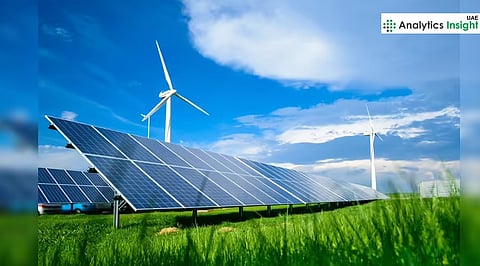
According to industry forecasts and market analysis, renewable energy generation is expected to grow at an average annual rate of around 14 per cent between 2025 and 2027. It reflects a clear step change in deployment rather than incremental progress.
Solar photovoltaic power remains the dominant growth driver. Industry estimates indicate that by 2027, solar will account for nearly 70 per cent of total renewable electricity generation in the country. National installed renewable capacity reached approximately 7.29 GW in 2025 and is projected to rise to around 12.42 GW by 2030, according to energy market assessments.
Nationally, the UAE has more than 1,500 LEED-registered and certified projects, the highest concentration in the Middle East. In the UAE, sustainability has moved from niche to mainstream. Green-certified buildings are rapidly becoming the default, driven by regulation and tenant demand. Green compliance will be a must-have strategy for assets to remain competitive within the UAE’s urban economy.
The most visible sustainability shift for businesses and consumers alike is the expansion of the UAE’s single-use plastic restrictions. This policy shift is forcing businesses to rethink packaging, procurement, and customer engagement. It also reflects a broader behavioural transition, as consumers increasingly favour sustainable alternatives.
In the UAE’s next phase of growth, sustainability will emerge as a core driver of ambition and competitiveness. ESG in the UAE will be increasingly defined by execution. Regulation, finance, infrastructure, and consumer policy are converging to embed sustainability into how businesses operate. The organisations that succeed will be those that treat ESG as a strategic operating system, built on data and long-term investment.