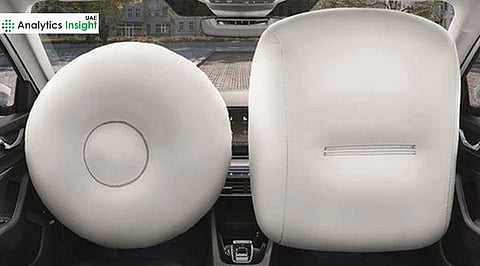


Czech car manufacturer Skoda Auto has initiated a safety recall for specific vehicles in its United Arab Emirates and Saudi Arabia operations due to a defect found in Takata driver-side airbags. Safety issues were discovered with airbag inflators, which developed malfunctions when exposed to high temperatures and high humidity.
According to the company and regional regulators, the affected airbags use Takata inflators that may deteriorate as they age. Prolonged exposure to heat and moisture can destabilise the inflator’s propellant.
In the event of a collision, the airbag could deploy improperly, causing the inflator to rupture and potentially send metal fragments into the vehicle cabin, increasing the risk of serious injury.
In Saudi Arabia, the Saudi Ministry of Commerce said the recall affects 265 Skoda vehicles manufactured between 2012 and 2021. The ministry has advised owners to check their vehicle identification numbers (VINs) and contact authorised dealers for immediate inspection and repair.
Skoda’s official distributor in the Kingdom, SAMACO Motors, has begun coordinating with customers to replace the defective airbags free of charge.
Skoda has determined that all vehicles manufactured before 2018 in the UAE face a possible risk of the Takata airbag problem. The company announced that all affected vehicles would receive complimentary airbag replacements at certified service centers.
Vehicle owners can check their recall information through Skoda's official channels by entering their VIN number. The recall is part of the global Takata airbag crisis, which has impacted millions of vehicles from various manufacturers around the world.
Since safety regulations became more stringent, automakers kept searching to fix cars containing defective inflators even after Takata went bankrupt.
Skoda Auto has urged customers in both countries not to ignore recall notices. Automotive authorities in the Gulf have issued multiple warnings about extreme temperatures as they increase component degradation, creating heightened dangers during repair delays.
The company advises affected owners to first check their vehicle's recall status before booking a service appointment and completing the repair work, which will decrease safety hazards on the road.