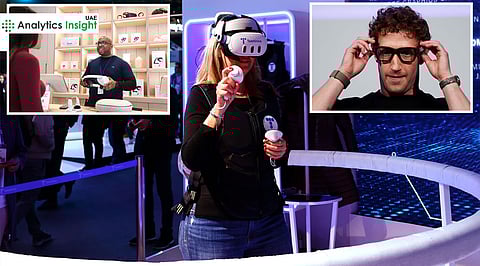


Meta Platforms has carried out a major workforce reduction in its Reality Labs division, signaling a pullback from the ambitious metaverse goals that once defined the company’s rebrand. This week, the tech giant began notifying about 1,500 employees that they would be laid off.
The layoffs affect 10% of the 15,000-person unit in charge of hardware and virtual reality. This strategic downsizing shows a major shift toward efficiency as the company reevaluates its long-term investment in immersive digital environments.
The Meta VR layoffs reflect a fundamental change in how the company allocates its vast resources. According to an internal memo from Chief Technology Officer Andrew Bosworth, the organization is narrowing its focus toward "AI wearables" and mobile-first experiences. This shift moves away from the expensive, fully immersive virtual reality environments that failed to capture a mass audience.
Reality Labs has faced huge financial pressure, with operational losses exceeding $70 billion since 2021. While CEO Mark Zuckerberg initially saw the metaverse as the next computing frontier, the VR vision has struggled due to weak demand. High development costs for Quest headsets and diminished user engagement in social platforms like Horizon Worlds forced this recent Meta workforce reduction.
Industry analysts view the cuts as a pragmatic step toward long-term sustainability. A company spokesperson confirmed that Meta is "shifting some investment from metaverse toward wearables" to capitalize on the "unprecedented demand" for its AI-integrated Ray-Ban glasses. By reducing Meta's virtual reality jobs, the company plans to redirect capital into generative AI infrastructure and data centers. This move is intended to help Meta remain competitive.
The shift from heavy VR headsets to lightweight, AI-powered goggles represents a significant evolution in Meta's hardware strategy. Current wearables like the Ray-Ban Meta glasses are already providing great value through the use of voice-activated assistants and real-time translation, making them more marketable compared to the separate virtual worlds. The new features are based on "ambient computing," where technology does not replace the user in the physical world but rather supports them.
Also Read: Meta Layoffs: Zuckerberg Pulls Back on Metaverse, Slashes Reality Labs in AI Pivot
Based on current product cycles, this pivot makes sense because it matches consumer preferences for portability and social connectivity. While the original metaverse goal is still a distant goal, focusing on smart glasses takes advantage of Meta’s strengths in AI and social networking.
By doubling production capacity and using its social networking dominance, Meta plans to deliver practical, consumer-ready hardware. This shift swaps a high-risk, long-term bet for a product category with real, immediate market demand and clear revenue potential.