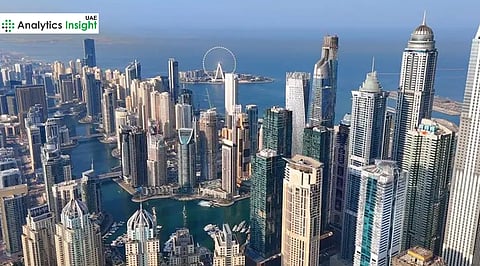


The real estate market in the UAE continues to grow, establishing it as one of the most stable drivers of development in the area. The market analysis shows that buyers maintain an active interest in both residential and commercial properties. The primary reason is understandable: increasing population, foreign investment, and the country's long-term economic growth plans.
The current economic growth period faces two main challenges because it brings rising housing costs, which especially affects residents who belong to the middle-income category.
The present upward movement originates from government programs and regulatory systems. It maintains investor trust while creating market demand. The UAE has become an appealing market for end-users and international investors for its long-term residency programs, clear property regulations, and its system of low taxes.
The initiatives have improved market involvement while also driving expatriate populations to purchase homes as their permanent residences.
The supportive ecosystem enables developers to create multiple payment options together with incentives for off-plan projects, which boost their business activities. Public-private partnerships have succeeded in creating efficient procedures while establishing trust among stakeholders, although price levels have increased.
The programs successfully sustain market interest, but they create stronger demand, which drives prices higher in premium areas and makes it more difficult for some buyers to acquire properties.
Looking ahead, the UAE real estate market is expected to remain resilient, underpinned by demographic expansion, infrastructure development, and steady economic growth. Analysts believe that the upcoming market supply will generate price stabilization effects across specific market segments, even though demand will continue to be strong, especially for areas with excellent urban connectivity.
The long-term impact will extend beyond pricing. Urban communities experience development through ongoing investments, which create intelligent urban spaces that use advanced technology and sustainable practices for their future growth.
The market will develop an increasing bias toward wealthy homebuyers and investors when affordable housing options do not receive proper treatment through specific housing programs. This situation will create obstacles for people who want to access the market, and it will disrupt the market's ability to maintain stability over the long term.
The UAE’s real estate momentum reflects strong fundamentals, effective policy support, and enduring global appeal. The same factors that drive economic expansion now create greater challenges for people to afford basic needs, which will eventually create difficulties for the market to sustain itself.
The sector requires policymakers and developers to establish closer connections between supply creation and actual income patterns to achieve sustainable long-term development. The UAE real estate market will develop into an inclusive growth system or a restricted market because of this factor.